
Why People Who Regret Buying Cashmere Choose Merino Wool Next

“I spent a lot on cashmere, but dry cleaning was such a hassle that I hardly wore it” or “After two seasons, the pilling became really noticeable.” Have you ever had a similar experience? The difficulty of caring for cashmere can be a reason to reconsider the material you choose next.
Cashmere is unquestionably a wonderful material. Its exceptional softness and lightness create a distinctive feel that other materials cannot quite replicate. However, if you want something premium that you can wear freely every day, cashmere can be somewhat difficult to care for.
Three Common Reasons People Regret Buying Cashmere
1. Dry Cleaning Became a Hassle, So It Was Worn Less Often
Cashmere can shrink when exposed to water and generally needs to be dry-cleaned. Cleaning prices for knitwear and sweaters vary by material, but cashmere typically costs around JPY 1,500–2,000 per item, making it slightly more expensive than many other materials. If you prefer to wash clothing immediately after sweating in it, maintenance can cost several thousand yen in a single season. As a result, you may save it “for special occasions because it is too precious,” wear it less and less, and eventually leave it sitting in the back of your wardrobe.
2. Pilling Quickly Spoiled Its Appearance
Cashmere fibers are extremely fine and delicate, so friction from a bag or the back of a chair can easily cause pilling. Many people may have seen a favorite cashmere sweater become covered in pills after only one or two seasons. A fabric shaver can remove them, but repeated removal gradually makes the fabric thinner.
3. It Felt Too Precious to Wear
The more expensive the cashmere, the more likely you are to worry about damaging it. You avoid wearing it in the rain, on crowded trains, or while dining. Before long, it becomes something reserved for special occasions, leading to the regret of having paid so much for clothing worn only a few times a year.
Finding cashmere difficult to handle does not necessarily mean you are dissatisfied with the material itself. Its delicacy and care requirements simply become more noticeable when frequent everyday wear is the priority. If you want a premium material that can be worn daily, it is important to consider ease of washing and how it responds to friction.
Why Merino Wool Is Chosen for the Next Piece
When looking for a premium piece for everyday wear, merino wool is a compelling option. Super 100's merino wool, in particular, combines the smooth feel of a high-quality natural material with the practicality needed for daily use.
Machine Washable at Home
Shrink-resistant merino wool can be washed at home using your machine's wool or hand-wash cycle. You can wash it the day after wearing it, without having to decide when to take it to the dry cleaner as you would with cashmere. See our guide to washing merino wool correctly for details.
Managing Everyday Friction to Keep It Looking Beautiful
Merino wool fibers are more resilient than cashmere fibers, so surface changes caused by everyday friction tend to be less noticeable. However, pilling also depends on the yarn, knit, friction during wear, and washing method. With proper care, merino wool can more easily retain its beautiful appearance for two, three, or more years.
Easy to Wear Every Day
Easy washing and greater durability mean you do not have to hold back for fear of damaging the garment. You can wear it normally in the rain, on a crowded train, or while dining. That freedom ultimately leads to more frequent wear and better value from every piece.
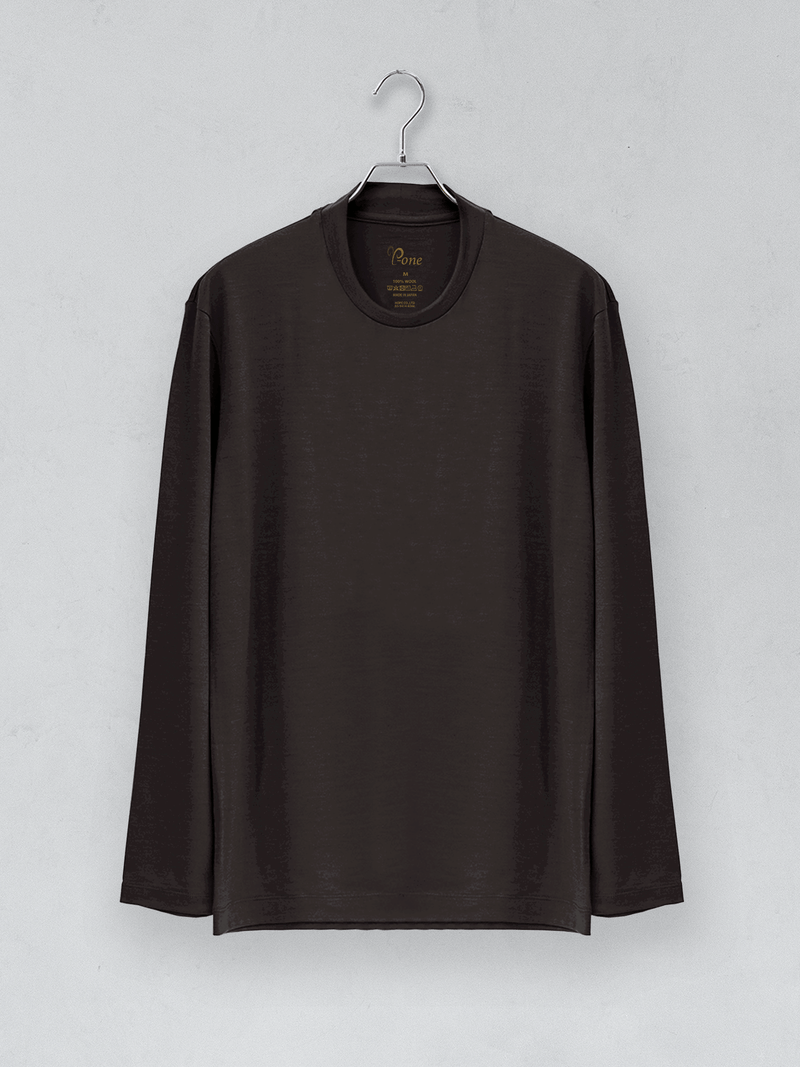
Enjoy its smooth, supple feel every day.
C HIGH END Merino Wool Long-Sleeve T-Shirt / Machine Washable / Made in Japan
View C HIGH END →An Honest Comparison of Cashmere and Merino Wool
| Category | Cashmere | Merino Wool (Super 100's) |
|---|---|---|
| Feel | ◎ Exceptionally soft and airy | ◎ Smooth and supple against the skin |
| Washing and Care | △ Dry cleaning recommended | ◎ Machine washable at home |
| Tendency to Pill | △ More prone to pilling (fine, delicate fibers) | ◎ Everyday friction tends to cause less noticeable change |
| Frequency of Wear | △ Often reserved for special occasions | ◎ Easy to wear every day |
| Typical Price Range | △ JPY 30,000 to over JPY 100,000 | ◎ Approximately JPY 10,000–30,000 |
Frequently Asked Questions
- Does merino wool feel inferior to cashmere?
- It depends on the grade. Standard merino wool has a more substantial texture that differs from cashmere. By contrast, ultrafine Super 100's merino wool is less likely to feel itchy against bare skin and is known for its smooth, supple touch. Rather than the airy lightness of cashmere, it offers a refined feel that settles comfortably against the skin.
- If I already own cashmere, should I use it differently from merino wool?
- If you already own cashmere, there is no need to give it up. When adding your next premium piece for everyday wear, choosing merino wool lets you wear quality clothing more often without worrying excessively about washing or friction.
C HIGH END: Bringing Premium Quality Back to Everyday Life
C-one's C HIGH END collection features short- and long-sleeve T-shirts made from ultrafine Super 100's merino wool. They combine an elegant sheen and a smooth, supple feel with the everyday reassurance of being machine washable at home.
Both the short- and long-sleeve versions feature a slightly higher neckline. When worn under a jacket, the collar remains subtly visible and helps prevent the jacket from touching the skin directly around the neck. This makes it an easy choice for commuting, business meetings, dining, and other occasions when you wear a jacket.
It is an ideal piece for anyone who wants to overcome the inconvenience they experienced with cashmere and bring premium clothing more naturally into everyday life.

Exceptional comfort for every day.
C HIGH END Merino Wool Long-Sleeve T-Shirt / Machine Washable / Made in Japan
View C HIGH END →